
Last Updated: November 28, 2026
Quick Summary
The best ways to teach respect in schools start by building a shared definition with students, then practicing it through age-matched activities like skits, debates and restorative circles. A 45-minute lesson plan that defines, practices, reflects and reinforces respect keeps the message consistent long after the assembly ends.
- Students help draft one classroom definition of respect and revisit it monthly.
- Elementary activities include self-portrait comparisons and Four Corners scenario movement.
- Middle schoolers practice digital respect by discussing group chats and comment threads.
- A 45-minute lesson plan splits into warm-up, define, practice, and reflect segments.
- Assembly follow-up includes a ten-minute debrief and two weeks of public recognition.
Table of Contents
- Table of Contents
- Building a Shared Definition of Respect Before You Teach It
- Fun Activities to Teach Respect Across Grade Levels
- A Ready-to-Use Respect Lesson Plan PDF and Assembly Follow-Up
- Frequently Asked Questions
Building a Shared Definition of Respect Before You Teach It
The best ways to teach respect in schools start with one step many assemblies skip: agreeing on what respect actually means in your building. This guide shows how to teach respect so it lasts past the gym doors.
Students cannot follow a rule they never defined. Respect is the practice of treating people and property as valuable, even when you disagree with them, a sentence that works for a kindergartner and a senior alike. Build the definition with students, not for them: small groups finish “Respect looks like…” on chart paper, you group answers into themes, draft one classroom definition together, and revisit it monthly. Ownership is what makes rules stick.
Fun Activities to Teach Respect Across Grade Levels
Fun activities to teach respect work best when they match the age group, building the same skills at different depths.
Elementary school (grades K-5):
- Same-and-different activity: Pairs draw self-portraits, then find three shared traits and three differences, differences make a class interesting, not divided.
- Four Corners: Read a scenario and have students move to the corner matching their answer, then explain why, building turn-taking and listening.
Middle school (grades 6-8):
- Boundaries and personal space skits: Groups act out respectful and disrespectful versions of the same hallway moment.
- Digital respect scenarios: Discuss group chats and comment threads, online respect belongs in the same conversation as face-to-face behavior.
High school (grades 9-12):
- Different perspectives debate: Assign students a viewpoint they do not hold and require respectful disagreement.
- Restorative circle: Use a structured circle to repair a real conflict, with students speaking in turn and listening without interrupting.
For a wider set of character-building formats, see these school assembly ideas for character development.
Each activity targets the same respect skills at an age-appropriate depth.
| Grade level | Activity | What students do |
|---|---|---|
| Elementary (K-5) | Same-and-different activity | Draw self-portraits, find three shared traits and three differences |
| Elementary (K-5) | Four Corners | Move to a corner matching their answer, then explain why |
| Middle school (6-8) | Boundaries and personal space skits | Act out respectful and disrespectful versions of a hallway moment |
| Middle school (6-8) | Digital respect scenarios | Discuss group chats and comment threads |
| High school (9-12) | Different perspectives debate | Argue a viewpoint they do not hold with respectful disagreement |
| High school (9-12) | Restorative circle | Speak in turn and listen without interrupting to repair conflict |
A Ready-to-Use Respect Lesson Plan PDF and Assembly Follow-Up
A respect lesson plan PDF gives teachers a repeatable structure: define, practice, reflect, and reinforce.
Lesson plan outline (45 minutes):
- Warm-up (5 min): Students write one sentence: “Respect means…”
- Define (10 min): Class groups responses into themes and drafts a shared definition.
- Practice (15 min): Run one activity from the list above, matched to grade level.
- Reflect and close (15 min): Students name one respectful action they will try this week, and the teacher connects the lesson to classroom norms.
Assembly follow-up plan: Preview the assembly message a day ahead, hold a ten-minute debrief afterward, and post the shared definition where students see it daily while recognizing respectful behavior publicly for two weeks.
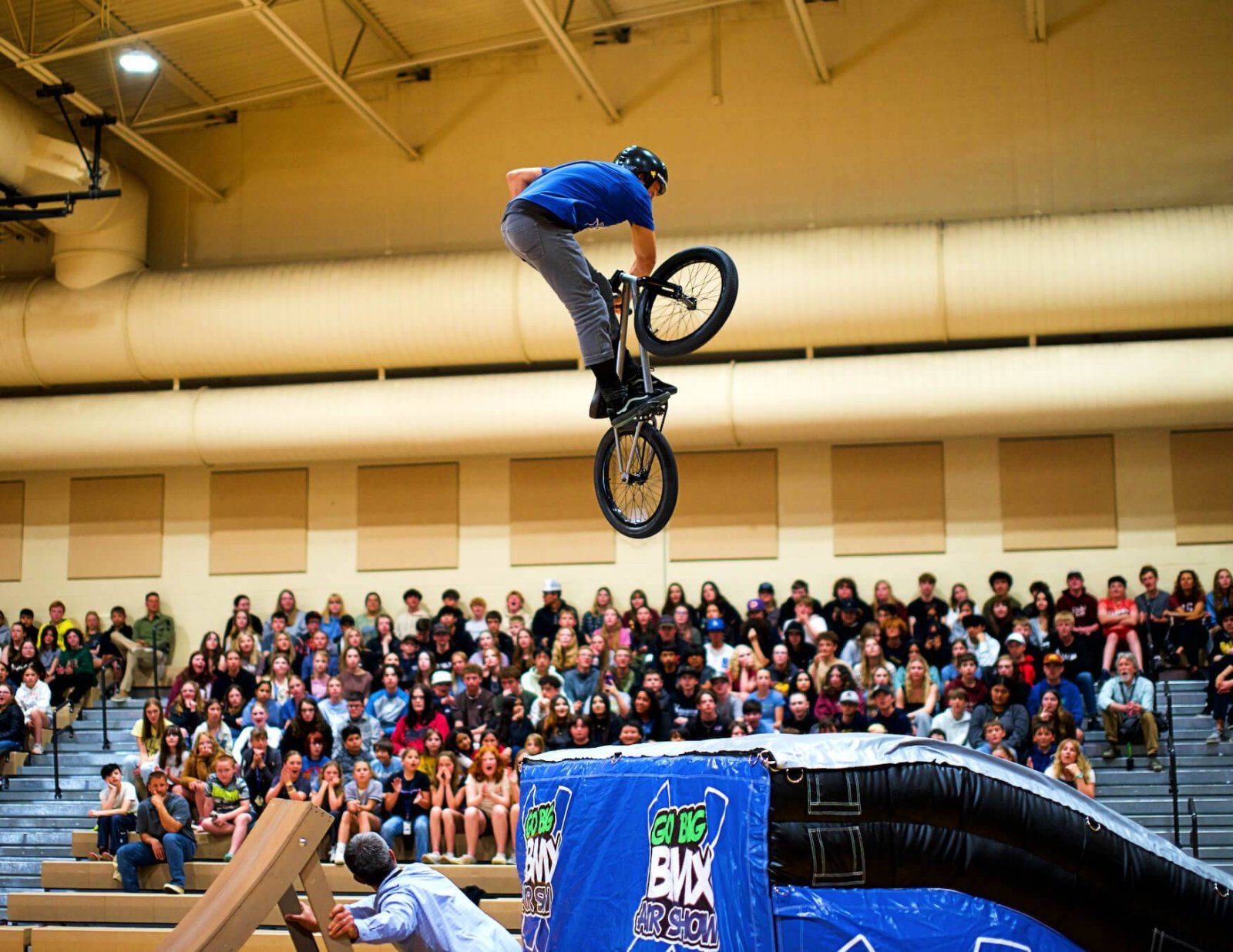
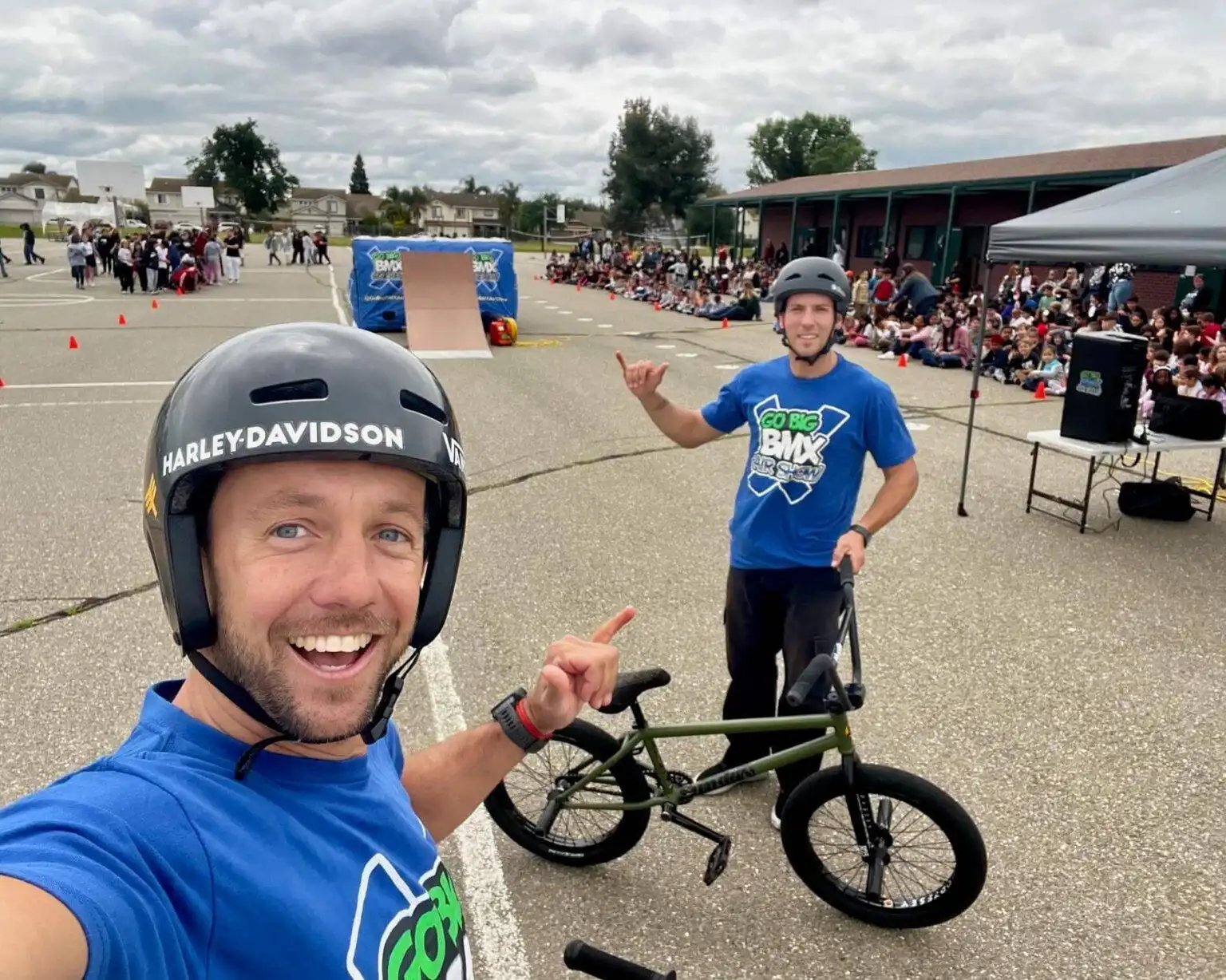
A live assembly can amplify classroom work when it carries the same language. A BMX school assembly from GO BIG BMX AIR Show pairs professional BMX stunt performances with messages on respect, anti-bullying, and personal motivation, delivered by positive role-model athletes. For the deeper guide, read how to build respect through school assemblies that stick.
When the classroom plan is ready and the school is weighing an assembly, the assembly programs available to book show what a live show adds. To check dates and availability, visit booking.
Every school has a respect plan on paper. Fewer have one students actually follow. The gap closes when adults define respect together, practice it through activities students enjoy, and reinforce it with a shared event that feels exciting rather than preachy. GO BIG BMX AIR Show brings 29 years and more than 10,000 shows of experience to that mission, with live pro sports demonstrations, positive role-model athletes, and messages on anti-bullying and respect. Get started with GO BIG BMX AIR Show and bring a respect message students remember long after the gym empties.
Frequently Asked Questions
What are the best ways to teach respect in schools?
Start with a shared definition of respect that students help write, then model it daily through calm tone, active listening, and turn-taking. Pair that with structured activities like Four Corners and same-and-different discussions, reinforce expectations with specific praise, and follow up with restorative conversations when conflict happens.
What are fun activities to teach respect that work for older students?
High schoolers respond to discussion-based formats rather than worksheets. Try Four Corners debates on scenarios like hallway rumors or group chat conflicts, self-portrait reflection projects, and peer-led role plays on respectful disagreement. Keep groups small, give students choice in the format, and connect each activity to real situations they face. These respect activities for high school students build buy-in because they treat teenagers as capable contributors rather than passive listeners.
How can teachers model respect for students every day?
Modeling respect means listening without interrupting, using a calm voice during conflict, honoring personal space, and admitting mistakes openly. Greet students by name, give instructions once and follow through consistently, and praise specific respectful behavior rather than general compliance. Students learn far more from what adults do in tense moments than from any lesson plan, so consistency between your rules and your own conduct is the strongest teaching tool you have.
Time breakdown of a 45-minute respect lesson plan
